The rising incidence of diabetes in cats has become a growing concern among veterinarians and pet owners alike. Unlike humans or even dogs, felines have a unique metabolic system that makes them particularly susceptible to this condition. Understanding the biological and environmental factors behind this trend is crucial for prevention and management.
The Feline Metabolic Quirk
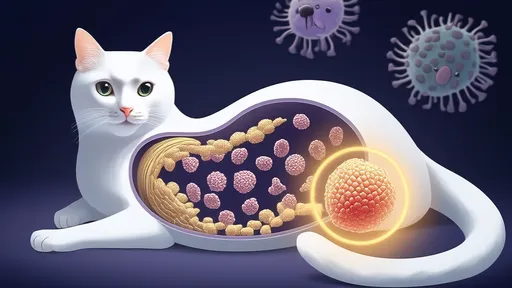
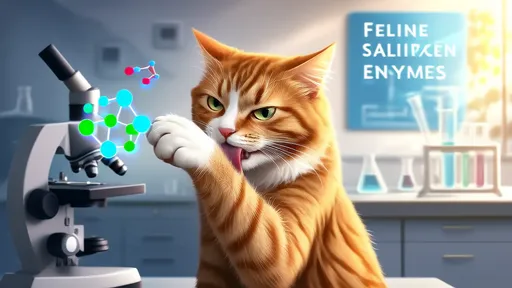
Cats are obligate carnivores, meaning their bodies are designed to thrive on a diet rich in animal protein and low in carbohydrates. Their natural prey—small birds and rodents—provide minimal sugars, which has shaped their metabolism over millennia. Unlike omnivores, cats lack certain enzymes needed to efficiently process high-carbohydrate diets. When fed commercial pet foods loaded with fillers like corn, wheat, or rice, their systems struggle to regulate blood sugar effectively.
This biological mismatch is further complicated by the fact that feline livers continuously produce glucose through gluconeogenesis, even when dietary intake is low. While this adaptation served wild cats well during periods of fasting, it becomes problematic when combined with modern diets. The constant influx of glucose from both food and internal production can overwhelm their insulin response over time.
The Indoor Cat Conundrum
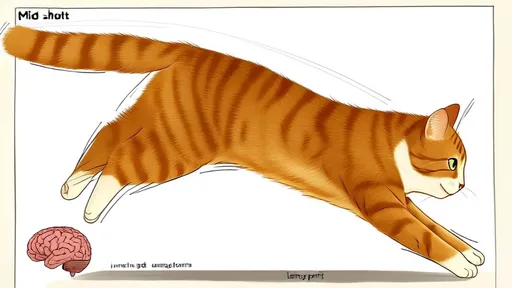
Domestication has dramatically altered feline lifestyles, creating another layer of diabetes risk. Indoor cats, which now represent the majority of pet felines in developed countries, live profoundly sedentary lives compared to their wild counterparts. The average house cat spends 15-20 hours per day sleeping or resting, with minimal opportunity for the intense bursts of activity that characterize hunting behavior.
This lack of exercise has direct consequences for glucose metabolism. Muscle movement plays a vital role in insulin sensitivity, helping cells absorb glucose from the bloodstream. Without regular physical activity, cats develop insulin resistance—a precursor to diabetes. The problem is compounded by free-feeding practices, where dry kibble (often high in carbs) is available around the clock, eliminating the natural feast-or-famine cycle their metabolism expects.
Age, Obesity, and Breed Predispositions
Middle-aged and senior cats face the highest diabetes risk, with most diagnoses occurring between ages 7-10. This correlates with slowing metabolisms and decreased activity levels. Overweight cats are particularly vulnerable—adipose tissue produces hormones that interfere with insulin function, creating a vicious cycle where obesity begets insulin resistance, which in turn makes weight loss more difficult.
Certain breeds like Burmese cats demonstrate genetic susceptibility, with diabetes rates up to four times higher than the general feline population. Research suggests these cats may have inherited pancreatic beta cell abnormalities that impair insulin production. While genetics can't be changed, awareness of breed-specific risks allows for earlier monitoring and intervention.
The Silent Epidemic in Veterinary Clinics
Veterinary endocrinologists report seeing more diabetic cats than ever before, with some practices noting a 20-30% increase in cases over the past decade. Part of this rise reflects better diagnostic capabilities and owner awareness, but the upward trend persists even when accounting for these factors. Alarmingly, many cases go undetected until advanced stages because feline diabetes symptoms—increased thirst, weight loss despite good appetite, lethargy—are often mistaken for normal aging.
Diagnostic challenges also play a role. Cats experience stress hyperglycemia during vet visits, causing temporary blood sugar spikes that can mask or mimic diabetes. This necessitates multiple tests or at-home monitoring for accurate diagnosis, procedures some owners delay due to cost or inconvenience. By the time diabetes is confirmed, permanent damage may have occurred to the pancreas.
Dietary Solutions and Prevention Strategies
Prevention begins with diet—the single most modifiable risk factor. Switching cats to high-protein, low-carbohydrate wet foods closely mirrors their evolutionary diet and has shown remarkable results in diabetes prevention. Some veterinary nutritionists advocate for homemade raw diets, though these require careful formulation to ensure complete nutrition.
Environmental enrichment that encourages activity is equally important. Food puzzles that simulate hunting, scheduled play sessions with feather toys, and even leash training for outdoor exploration can help maintain healthy glucose metabolism. For multi-cat households, separating feeding stations prevents overeating and allows for individualized diets.
Regular veterinary check-ups that include blood glucose monitoring become essential for at-risk cats after age 6. New continuous glucose monitoring systems adapted from human medicine now allow for stress-free tracking over several days, providing more accurate data than single clinic measurements. Early detection of prediabetes allows for dietary and lifestyle interventions that may prevent full-blown disease.
The Future of Feline Diabetes Management
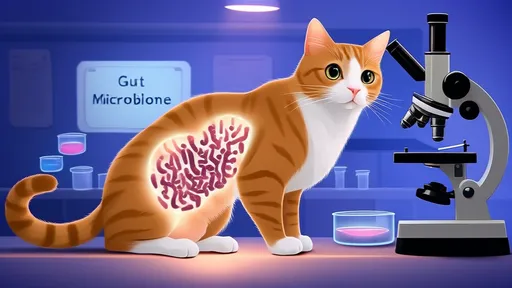
Emerging research offers hope for better prevention and treatment. Studies on feline gut microbiota reveal that diabetic cats have distinct microbiome profiles compared to healthy ones, suggesting probiotic therapies may someday play a role. Gene therapy targeting pancreatic cell regeneration shows promise in early trials, potentially offering cures rather than lifelong management.
Pharmaceutical companies are developing new insulin formulations specifically for cats, as human and canine insulins don't always work optimally in feline physiology. Meanwhile, pet food manufacturers face increasing pressure to reformulate products with lower carbohydrates and clearer labeling—changes that could significantly reduce diabetes incidence if adopted industry-wide.
As our understanding of feline diabetes deepens, one truth becomes clear: this is largely a man-made disease stemming from the collision of ancient biology and modern lifestyles. By realigning how we feed and care for our feline companions with their evolutionary needs, we can reverse this troubling health trend and give cats their best chance at long, healthy lives.
By /Jun 12, 2025
By /Jun 12, 2025
By /Jun 12, 2025

By /Jun 12, 2025

By /Jun 12, 2025
By /Jun 12, 2025

By /Jun 12, 2025
By /Jun 12, 2025

By /Jun 12, 2025
By /Jun 12, 2025
By /Jun 12, 2025
By /Jun 12, 2025

By /Jun 12, 2025

By /Jun 12, 2025

By /Jun 12, 2025

By /Jun 12, 2025
By /Jun 12, 2025