Lavender Sugar Production Process: The Degree of Fresh Flower Drying and the Sealed Pickling Time with Sugar

Jun 18, 2025 By

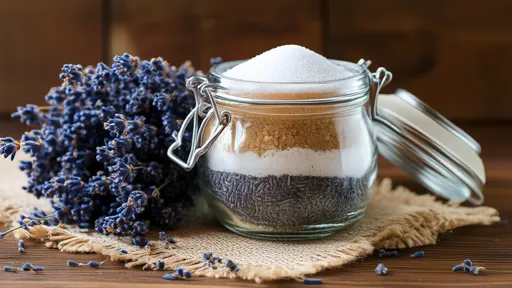
The art of crafting lavender sugar is a delicate balance between nature's gifts and human patience. At its core, this fragrant confectionery relies on two critical variables: the precise dryness of lavender blossoms and the exact duration of sugar curing. These factors intertwine to create either a mediocre sweetener or an extraordinary culinary masterpiece that captures Provence in a jar.

Harvesting and drying lavender represents the first act in this aromatic symphony. The timing of cutting the flowers impacts their essential oil concentration - too early and the volatile compounds haven't developed fully; too late and they begin dissipating. Experienced producers watch for that magical moment when about half the florets on each spike have opened, typically mid-morning after the dew has evaporated but before the sun grows too intense.

The drying process demands equal attention. Unlike hasty commercial dehydration, traditional methods employ shaded, well-ventilated spaces where bundles hang upside-down. This gradual approach preserves the fragile terpenes that give lavender its distinctive character. The flowers reach perfect dryness when stems snap cleanly yet retain a whisper of moisture at their core - usually after 10-14 days depending on humidity. This residual pliability prevents the brittle flowers from powdering during subsequent handling.

Sugar selection plays an underappreciated role in the equation. While ordinary granulated white sugar works adequately, artisanal producers often prefer organic cane sugar with its larger crystals and subtle molasses notes. These irregular granules create microscopic pockets that trap lavender oils more effectively than uniform industrially processed alternatives. Some French practitioners swear by blending 10% light muscovado sugar into the mix for added depth.

The marriage of flowers and sweetener follows ancient principles of confit preparation. Layering techniques vary between producers - some alternate thin strata of sugar and blossoms, others prefer mixing them loosely before packing. The container's material proves crucial; wide-mouthed glass jars allow for easy turning while ceramic crocks maintain stable temperatures. What remains constant is the exclusion of light and air - twin enemies of delicate floral essences.

Time works its alchemy in darkness. During the initial fortnight, daily agitation redistributes moisture and prevents clumping. This period sees the sugar drawing out the lavender's water-soluble components while the oil-based aromatics infuse more slowly. Around the third week, a remarkable transformation occurs - the sharp floral notes mellow into the rounded, almost vanilla-like complexity that distinguishes premium lavender sugar.

Traditional Provençal wisdom holds that the moon's phases influence extraction quality. Many small-batch producers still initiate curing during the waxing moon, believing the increasing gravitational pull enhances oil migration. Whether factual or folkloric, this lunar timing typically coincides with optimal atmospheric pressure conditions for stable infusion.

The final product's character depends profoundly on duration. A light, baking-friendly sugar emerges after four weeks, while connoisseurs' grades mature for three months or longer. These aged varieties develop unexpected secondary notes - hints of dried apricot, a whisper of anise - that elevate them beyond mere sweeteners into standalone delicacies. Properly stored in cool cellars, such vintage batches can maintain peak flavor for up to two years.

Modern food science has begun unraveling why these traditional methods succeed. Gas chromatography reveals how slow drying preserves linalool and linalyl acetate - lavender's signature compounds - while extended sugar contact facilitates esterification, creating novel flavor molecules. Yet even with this technological understanding, the craft still relies on sensory evaluation passed down through generations of lavender farmers.

From the sun-drenched fields of Drôme-Provençale to specialty kitchens worldwide, lavender sugar embodies the patience required to capture fleeting botanical magic. Each jar represents countless decisions about dryness and duration - variables that transform simple ingredients into an edible souvenir of summer's essence. As contemporary chefs rediscover this antique ingredient, its production remains firmly rooted in observations first made by medieval apothecaries and perfected by their culinary descendants.

Recommend Posts
Food

Halloween Eyeball Cookie Making: White Chocolate Coloring and Fruit Gel Liquid Pupil Embellishment

By /Jun 18, 2025

As Halloween approaches, bakers and confectionery enthusiasts are always on the lookout for creative and spooky treats to serve at parties or share with friends. One standout idea that has gained popularity in recent years is the eyeball cookie—a delightfully eerie dessert that combines playful design with delicious flavors. The key to making these eye-catching treats lies in two crucial techniques: coloring white chocolate for the iris and using pectin gel to create lifelike pupils. When executed well, these cookies become miniature edible artworks that are almost too convincing to eat.
Food

Oven Temperature Calibration Method: Placement of Thermometer and Calculation of Compensation Temperature

By /Jun 18, 2025

In professional kitchens and bakeries, oven temperature accuracy is the invisible hand that shapes perfect results. Yet most cooks don't realize their ovens often lie - sometimes by dramatic margins. The difference between what your dial claims and what heat actually circulates can make or break delicate soufflés, artisan breads, or precision pastry work. Understanding how to properly calibrate oven temperature isn't just about tweaking a dial; it's about mastering the relationship between measurement methodology and thermal reality.
Food

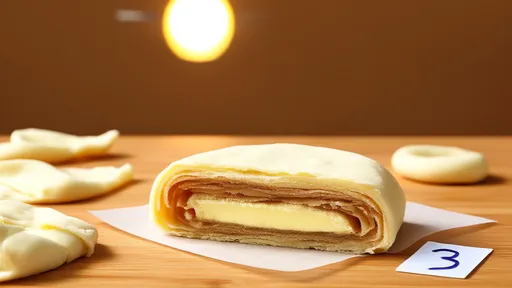
Analysis of Failed Puff Pastry Layering: Uneven Butter Softening and Insufficient Folding Counts

By /Jun 18, 2025

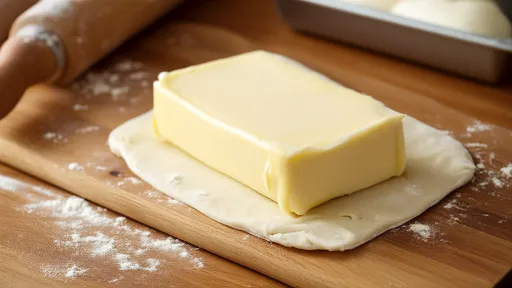
The art of creating perfect laminated dough, whether for croissants, puff pastry, or Danish pastries, hinges on two critical factors: the even softening of butter and the precise execution of folding techniques. When these elements falter, the result is often a disappointing lack of those coveted, delicate layers that define superior viennoiserie. Professional bakers and home enthusiasts alike frequently encounter these hurdles, but understanding why they occur transforms failures into learning opportunities.
Food

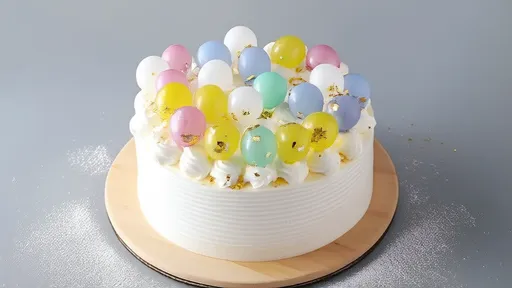
Molecular Cake Balloon Decoration: Edible Gelatin Film Inflation and Pigment Spraying Techniques

By /Jun 18, 2025

The world of molecular gastronomy continues to push culinary boundaries, and one of its most visually striking innovations is the edible gelatin balloon decoration. These delicate, translucent spheres have become the darling of avant-garde pastry chefs and mixologists alike, transforming ordinary desserts and cocktails into mesmerizing edible art installations. Unlike traditional fondant or sugar work, gelatin balloons introduce an element of ephemeral beauty that disappears upon consumption, leaving only the memory of their fleeting perfection.
Food

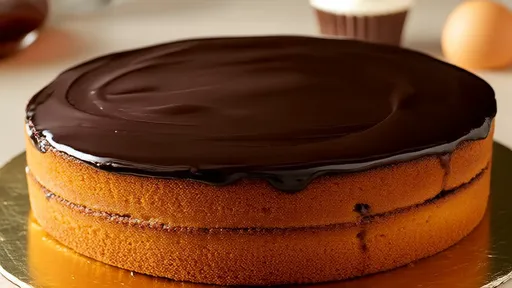
Order of Applying Coffee Syrup and Chocolate Glaze in Layering a French Opera Cake

By /Jun 18, 2025

The French Opera Cake, or Opéra, stands as one of the most sophisticated desserts in patisserie history. This almond sponge-based confection requires meticulous attention to layering techniques, particularly when applying the coffee syrup soak and chocolate ganache coating. Professional bakers have debated the proper sequence of these two crucial elements for generations, as the order significantly impacts both texture and flavor development.
Food

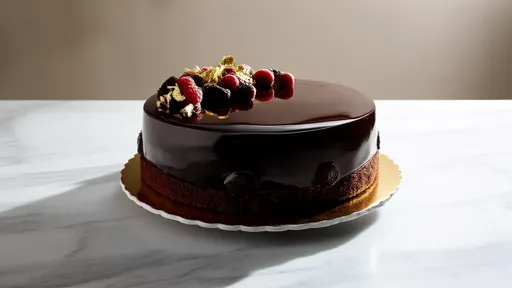
Mirror Glaze Temperature: Controlling and Gloss at 28℃ Ganache

By /Jun 18, 2025

In the world of haute patisserie, few techniques demand as much precision as the art of mirror glaze application. The elusive 28°C ganache temperature has become something of a holy grail for pastry chefs chasing that perfect balance between fluidity and luster. This seemingly narrow window holds the key to achieving that mesmerizing, liquid-glass effect that makes mirror cakes stop people in their tracks.
Food

Vietnamese Baguette: Low Gluten Flour Ratio and Crispy Crust Optimization with Steam Oven

By /Jun 18, 2025

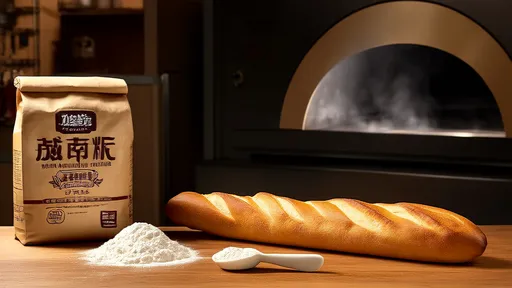
The humble bánh mì, Vietnam’s iconic baguette, has long been celebrated for its crisp exterior and airy interior. Traditionally made with high-gluten flour to achieve its signature chew, modern bakers are now experimenting with low-gluten flour ratios to cater to evolving tastes and dietary preferences. This shift isn’t just about texture—it’s a delicate dance between preserving tradition and embracing innovation. The result? A lighter, more delicate crumb that still honors the bánh mì’s essence while appealing to contemporary palates.
Food

Lavender Sugar Production Process: The Degree of Fresh Flower Drying and the Sealed Pickling Time with Sugar

By /Jun 18, 2025

The art of crafting lavender sugar is a delicate balance between nature's gifts and human patience. At its core, this fragrant confectionery relies on two critical variables: the precise dryness of lavender blossoms and the exact duration of sugar curing. These factors intertwine to create either a mediocre sweetener or an extraordinary culinary masterpiece that captures Provence in a jar.
Food

Sichuan Peppercorn Baking and Seasoning Techniques: The Art of Releasing Numbing Flavor by Dry-Frying, Grinding, and Blending with Fat

By /Jun 18, 2025

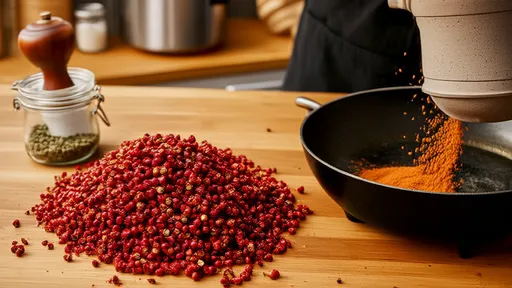
The art of unlocking Sichuan pepper's signature ma la sensation lies in two distinct yet complementary preparation methods - dry roasting and oil infusion. These time-honored techniques transform the humble husk into an electrifying culinary component that defines entire regional cuisines across China's southwest.
Food

Application of Beetroot Natural Pigments: Juice Filtration and Prevention of Fading in Baking

By /Jun 18, 2025

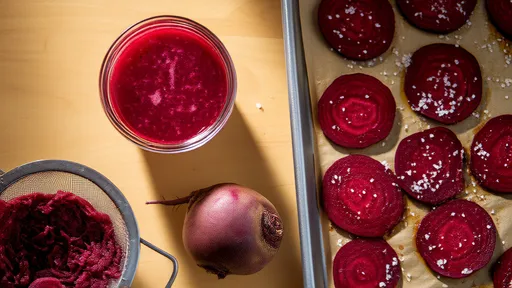
The vibrant crimson hue of beetroot has long captivated both chefs and food scientists, offering a natural alternative to synthetic dyes in an increasingly health-conscious market. Beyond its striking color, beetroot pigment carries nutritional benefits that artificial colorants simply cannot match. However, harnessing this natural brilliance presents unique challenges that require careful consideration at every stage of processing.
Food

Preventing Durian Flesh from Sinking in Baking: Control of Flesh Crushing Degree and Batter Stirring Direction

By /Jun 18, 2025

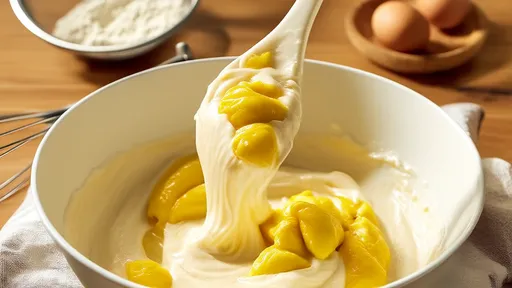
The art of baking with durian flesh presents unique challenges, particularly when it comes to preventing the dense fruit from sinking to the bottom of cakes or pastries. Unlike conventional fruits, durian's creamy, fibrous texture and high moisture content demand specialized techniques to achieve even distribution within batters. Mastering the interplay between durian puree consistency and mixing methodology can mean the difference between a perfectly balanced treat and a disappointing, uneven result.
Food

Japanese Salted Bread Butter Roll: The Softness of Sliced Butter and the Thickness of Dough Rolling

By /Jun 18, 2025

The art of crafting Japanese salt butter rolls, known for their delicate layers and rich flavor, hinges on two critical technical elements: the precise softening of sheet butter and the meticulous rolling thickness of the dough. These factors are often overlooked by home bakers, yet they hold the key to achieving the signature flaky texture and buttery aroma that define this beloved pastry. Mastering these variables requires an understanding of how butter behaves at different temperatures and how dough thickness influences layer formation during lamination.
Food

Flavored Reproduction of African Fulani Roasted Cakes: Fermented Millet Paste and Baked in Clay Ovens

By /Jun 18, 2025

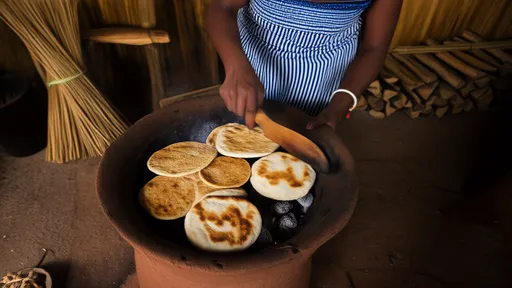
The Fulani people, a nomadic pastoralist group spread across West and Central Africa, have long mastered the art of transforming humble ingredients into sustenance that carries the essence of their culture. Among their culinary traditions, the preparation of fermented millet cakes stands out as a testament to their ingenuity. These cakes, baked in earthen ovens, are more than just a staple food—they are a cultural artifact, a link to ancestral practices that have sustained generations under the scorching Sahel sun.
Food

Chinese Steamed Buns: Dough Kneading Force and Gradual Addition of Dry Flour with Criteria for Dough Firmness Judgment

By /Jun 18, 2025

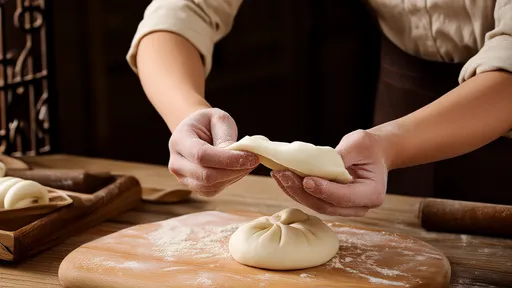
The art of making traditional Chinese (qiang mian mantou) is a delicate balance of technique, intuition, and patience. Unlike Western-style bread, which often relies on precise measurements and standardized kneading times, demands a more tactile approach—one that prioritizes the gradual incorporation of dry flour and an acute sensitivity to dough hardness. This method, passed down through generations, remains a cornerstone of northern Chinese culinary tradition, where the perfect is prized for its dense, layered texture and subtle sweetness.
Food

Safety Operation of German Pray's Alkaline Solution: Dilution Ratio and Protective Measures for Food-Grade Sodium Hydroxide

By /Jun 18, 2025

The distinctive glossy brown crust and unique flavor of German pretzels owe their existence to one critical step: the lye bath. Food-grade sodium hydroxide (NaOH) solution, when properly diluted and handled, transforms dough into authentic Laugenbrezel while posing minimal risk to bakers. However, working with this caustic substance demands respect for its corrosive properties and adherence to strict safety protocols.
Food

Key Points for Biscuit Dough Flow and Layer Thickness Settings in 3D Printing Models

By /Jun 18, 2025

The intersection of 3D printing and culinary arts has opened up a world of possibilities, particularly in the realm of cookie production. As this technology gains traction, understanding the nuances of batter flow properties and layer height settings becomes paramount for achieving both structural integrity and aesthetic appeal in 3D printed cookies.
Food

Low-Carb Ketogenic Cake Recipe: Optimized Formula with Almond Flour and Coconut Flour

By /Jun 18, 2025

In recent years, the demand for low-carb, keto-friendly baked goods has surged as more people embrace ketogenic and gluten-free lifestyles. Among these, almond flour and coconut flour have emerged as the two most popular base ingredients for creating delicious, grain-free cakes. However, achieving the perfect texture and flavor balance between these flours requires careful formulation and an understanding of their unique structural properties.